

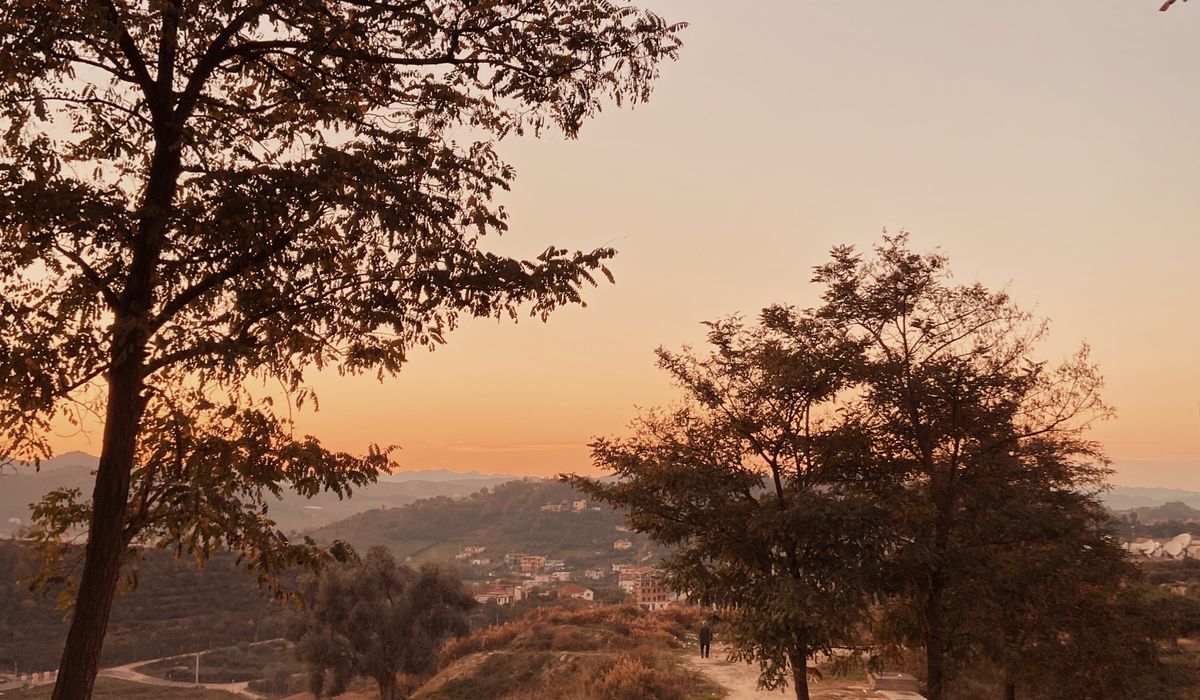
What Makes a Public Footpath?
A public footpath is a highway on foot. In England and Wales, public footpaths are legal rights of way recorded on the definitive map kept by the local highway authority. They usually cross private land — farmland, woods, even gardens — and you have the right to walk along them. Most are waymarked with yellow arrows, but not all. A path can be overgrown, faint or unsigned, yet still be a public footpath. The legal line is what matters, not how obvious it looks.
You can walk the line of the path, and you can pause to rest or admire the view. You cannot wander into the surrounding field just because it looks inviting. Stick to the path unless an obstruction forces you to step around it — and then take the shortest safe detour.
Your Right to Roam — and Where It Applies
Public footpaths are not the same as open access land. Under the Countryside and Rights of Way Act 2000, you have a right to roam on mapped open country in England and Wales: mountain, moor, heath, down and registered common land. On this access land, you can walk wherever you like, not just on paths. But there are conditions.
Dogs must be on a short lead between 1 March and 31 July, to protect ground-nesting birds, and at all times near livestock. Some access land is closed for conservation or safety reasons, usually for a few days at a time. Local signs and council notices will tell you. Open access land is often wild and pathless, so carry a map and compass and know how to use them.
Footpaths, Bridleways, Byways and Permissive Paths
Not every path you meet is a public footpath. The rules differ, and so do your rights.
- Public footpath — on foot only. Waymarked with yellow arrows. You can walk, but not cycle or ride a horse.
- Public bridleway — on foot, horseback or bicycle. Waymarked with blue arrows. Cyclists must give way to walkers and horse riders.
- Permissive path — not a public right of way. The landowner allows access, often for a set period, and can close it on certain days. Respect any signs.
Your Responsibilities in the Countryside
Rights come with responsibilities. The Countryside Code sums them up, but here are the practical points for walkers.
- Leave gates as you find them. If a gate is open, leave it open. If it is closed, close it behind you. This matters for livestock.
- Keep dogs under control. On farmland, put your dog on a lead around livestock — even if it is usually well behaved. On access land, follow the seasonal lead rules.
- Bag it and bin it. Pick up after your dog. Take the bag home if there is no bin. Never leave it hanging on a branch.
- Take your litter home. This includes fruit peel and apple cores, which can harm livestock.
- Do not feed or touch livestock. Move calmly and quietly around them. If cattle block the path, give them space and find a safe way around.
- Protect crops and wildlife. Walk in single file on narrow paths. Do not trample growing crops. Keep to the path where it crosses a field.
When Things Get Tricky: Obstacles, Diversions and Bulls
Paths are not always clear. A fallen tree, an overgrown hedge or a wrongly locked gate can block your way. If a path is obstructed, you may step off the line to get around it — but take the shortest, least damaging route. Report the problem to the local highway authority so it can be fixed.
Farmers may plough a footpath, but they must reinstate it within 14 days. If the path crosses a crop that is about to be harvested, they must reinstate it within 24 hours. If you find a ploughed path that has not been reinstated, report it.
Bulls are a common worry. By law, bulls of recognised dairy breeds over ten months old must not be kept in a field crossed by a public right of way. Other bulls may be present, but only if they are with cows. If you feel threatened, leave the field by the shortest safe route. Do not run.
Temporary closures happen. A council can close a path for up to six months for repairs, and longer with permission. Diversions can be permanent. Always check local notices before you set out, especially in winter or after storms.
Planning a Walk with Confidence
Good preparation makes for a better day out. Use a map that shows public rights of way clearly — the definitive map is the legal record, but a detailed walking map is easier on the hill. Look for yellow and blue waymarks, and note where paths meet roads or farms.
Check for temporary closures on the local council or national park website. Wear footwear suited to mud, stones and steep ground. Carry water, a waterproof and a charged phone. Tell someone where you are going and when you expect to be back.
Finally, be a good guest. Say hello to farmers and landowners. Follow signs. Leave the countryside as you found it — or better. Our footpaths are a shared inheritance, kept open by walkers who respect them. Enjoy them, and they will be there for the next generation.




John Doe
14 January, 2022Having no content in post should have adverse..
Chauffina Carr
10 April, 2022We use these tests all time! Killer stuff!
Jim Séchen
16 July, 2022Thanks for all the comments, everyone!